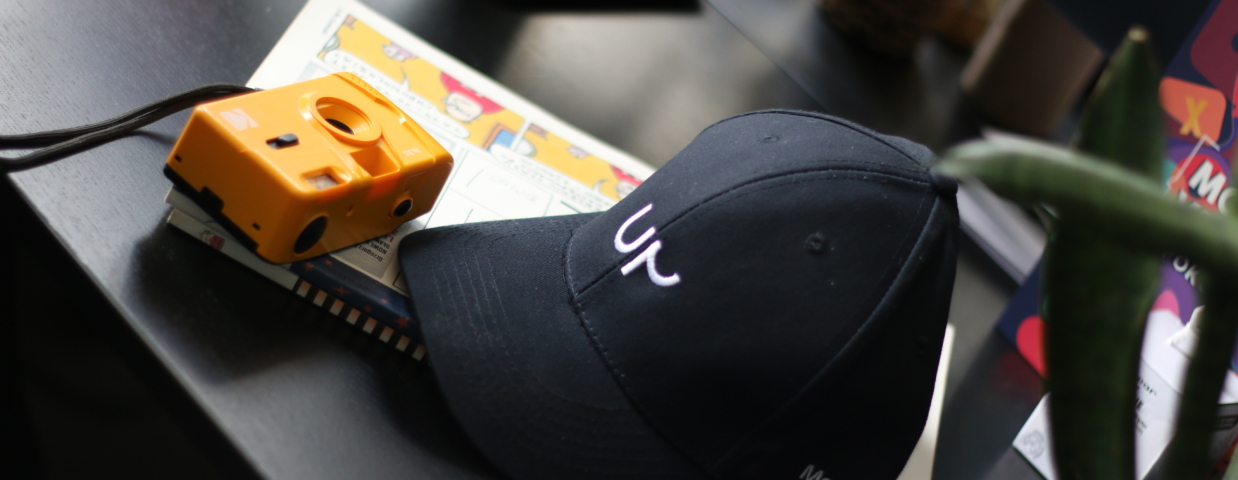
Corporate promotional items featuring a logo are one of the few forms of advertising that customers encounter on a daily basis. Unlike banners or social media posts, they don’t disappear after a few seconds; instead, they’re often used for many months. As a result, they build brand recognition in a different way than most forms of advertising.
Why Are Corporate Promotional Items with Logos Effective for Marketing?
Let’s start with the numbers. According to a PPAI survey, 76% of people remember a brand from promotional itemthey received. Additionally, 83% of consumers are more likely to make a purchase from a brand that gave them a promotional item than from a brand whose advertising they encountered exclusively online.
This is how the exposure mechanism works—the more often a logo appears in your field of vision, the more familiar and trustworthy the brand seems. A thermal mug on your desk works for the brand every day for several years. No digital format has such long-term reach at such a low cost per impression.
In February 2026, ASI and PPAI published an independent study comparing the carbon footprint of various advertising channels per remembered impression. The result? Promotional giveaways generate a carbon footprint 8 times smaller than digital advertising. This means they are not only more effective but also more sustainable.
The Psychology of Gift-Giving in B2B Business
Specific psychological mechanisms underlie the effectiveness of promotional items. Three of them are particularly important in a B2B context.
The Reciprocity Principle: When a company gives a customer a gift with no strings attached, the reciprocity principle kicks in. When people receive a gift from a brand, they subconsciously feel the need to return the favor. In practice, this means a greater likelihood of repeat orders, more patience toward the company’s missteps, and stronger employee loyalty.
The mere-exposure effect: the more often we see a particular object, the more we like it. Everyday items such as a mug, a notebook, or a power bank help customers subconsciously become familiar with the logo. When faced with a purchasing decision, they choose the brand they already know. They don’t have to remember it from an ad—it’s enough that they’re familiar with it.
Emotional Loyalty vs. Transactional Loyalty : In B2B, gifts and relationship-building activities strengthen loyalty based on trust and long-term cooperation. As a result, customers are more likely to stay with a supplier, even when competitors offer slightly better deals. Discounts and bonuses, on the other hand, primarily build transactional loyalty—the customer stays with the supplier only as long as they see a financial benefit in doing so.
A promotional item is more than just another giveaway. When given as a gesture of goodwill, it makes an employee or customer feel appreciated and more willing to build a relationship with the brand. That is precisely why it differs from traditional advertising efforts.
Which corporate giveaways are most effective at building loyalty?
Not every gift has the same effect. The key factor is whether the recipient will actually use it. A promotional item tucked away in a drawer quickly loses its marketing value, whereas one that is used every day serves as a reminder of the brand and strengthens loyalty.
The principle of utility: the best promotional items are those that become part of everyday life. A thermal mug or a power bank has real practical value, which is why they’re used regularly. As a result, the brand remains constantly present in the recipient’s environment, and positive associations with it are reinforced with every use of the item.
The quality principle: A poor-quality promotional item leaves a bad impression. If a pen stops working after a week, the customer sees it as a cost-cutting measure. A good-quality bag or notebook, on the other hand, shows that the company prioritizes quality and pays attention to detail.
The principle of brand consistency: company merchandise should be an extension of the brand’s identity—its color, style, and character. A random gadget is just an expense, while well-thought-out merchandise is a key element of brand-building.
The 5 Most Popular Corporate Promotional Items
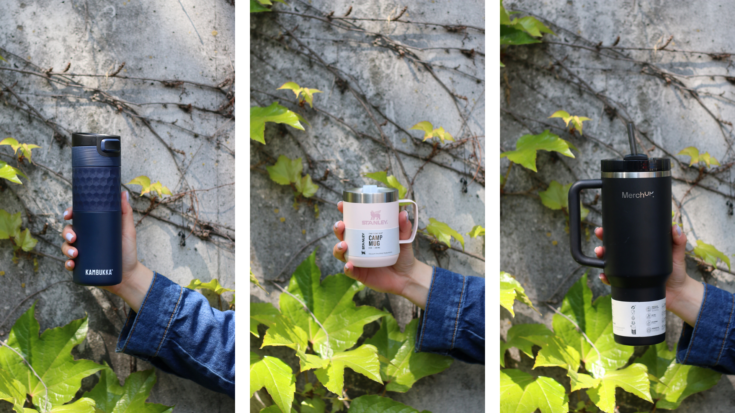
- Thermal mugs and water bottles: on your desk, in your bag, and at meetings every day. They have one of the highest usage rates among all promotional items.
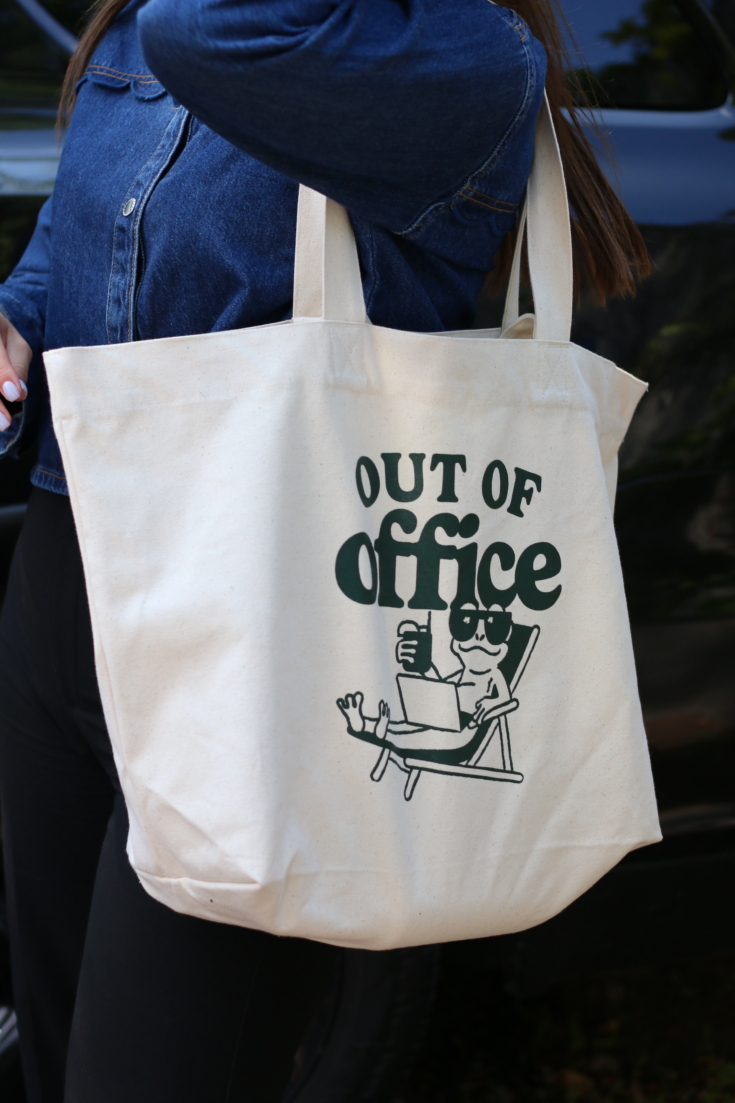
- Bags and tote bags with a logo: According to a GiftAFeeling study, they generate over 3,000 impressions over their entire lifespan, and their visibility in public spaces is hard to beat.
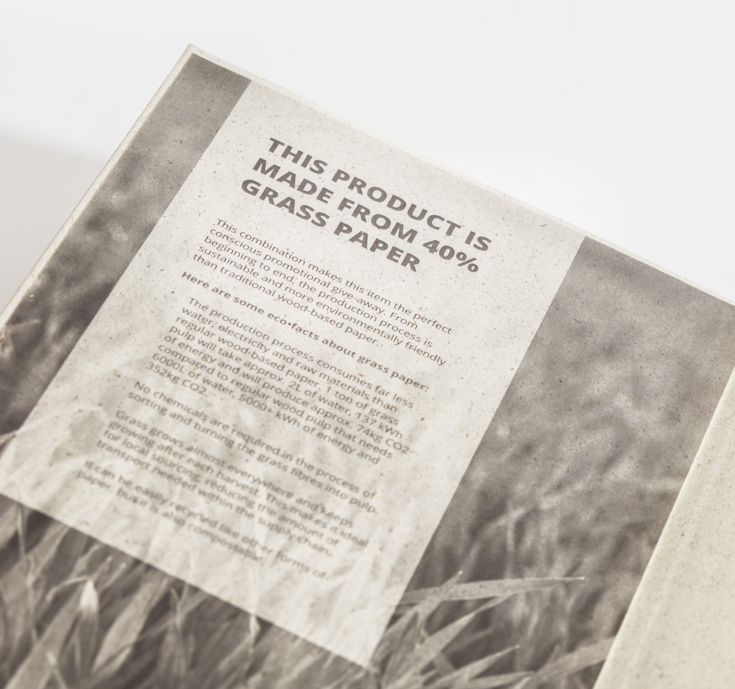
- Notebooks: especially those made from recycled materials, combine everyday practicality with a statement of the company’s values (CSR).
- Corporate apparel: sweatshirts, T-shirts, socks: promotional items with strong branding potential. If they’re high-quality and have an interesting design, employees will actually wear them and become brand ambassadors.
- Electronics (power banks, wireless chargers, headphones): high perceived value and high utility. Premium gadgets for special occasions such as onboarding, partnership anniversaries, or project completion.
How to Design a Company Promotional Item That People Will Actually Use
The most common mistake: a company chooses a promotional item that it likes, rather than one that the recipient will like. Here are a few guidelines to increase the chances that the gift will be used on a daily basis rather than ending up in a drawer.
Start with the context:
Who is receiving the gift? A B2B specialist who works remotely, so they need something different than a manager who works from the office. A welcome pack for a new employee is a different occasion than an end-of-year gift. Matching the gift to the stage of the relationship and work style is more important than the budget.
Less Logo, More Design
Promotional items with a prominent logo are used less often than those with a subtle logo. We all want to use something attractive without feeling like a walking advertisement. A small logo on a high-quality product is more effective than a large logo on a mediocre one.
Choose durability
The longer a promotional item is used, the longer it promotes the brand. A thermal mug used for several years provides significantly more exposure than a product that quickly ends up in the trash.
Think Green
According to a 2026 ASI/PPAI study, promotional items are among the most environmentally effective forms of promotion. This is important not only from the perspective of sustainability, but also in terms of user expectations. As many as 89% of respondents say they are more likely to choose brands whose values align with their own.
Pay attention to the packaging
It’s the packaging, not the product, that makes the first impression. A well-designed box with a visible logo and a handwritten note is an experience that people remember and talk about.
Promotional items aren’t just accessories. If they’re practical and well-made, they effectively help build relationships. What matters most is quality and how well they meet the recipients’ needs.
If you’re looking for promotional items or company apparel with your logo for employees, customers, or business partners, check out our selection. We’d be happy to help you choose products that are not only attractive but, above all, effective in building brand recognition and customer loyalty.