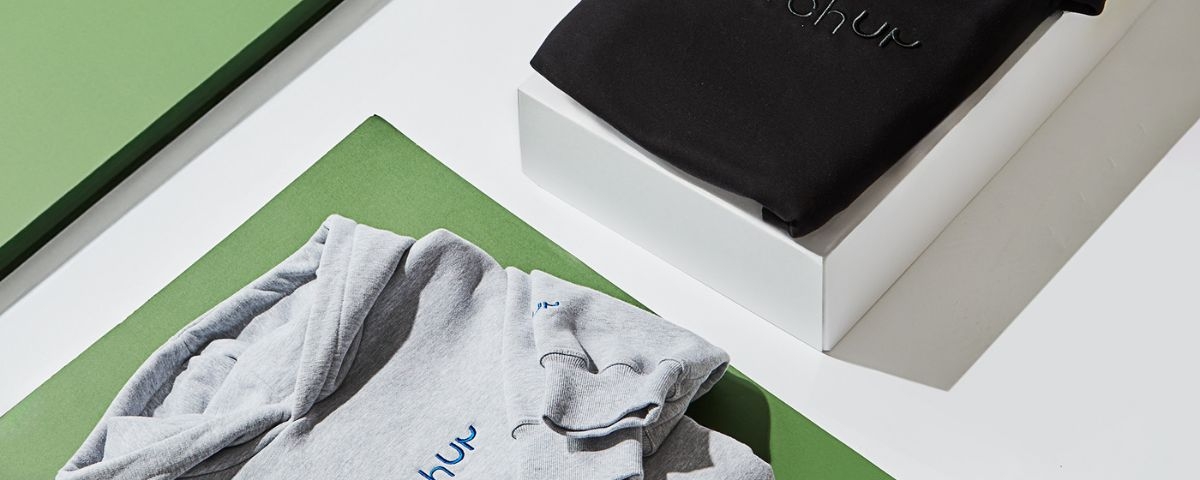
Corporate merchandising in a large organization is not worth treating as a one-time action: it should work like a well-set process: it has to be ready before the need arises. Onboarding of a new person, a package for a partner, an event, a conference “on the fly” or an action for the team after a rebranding. These situations arise regularly. If you start from scratch each time, costs increase (because express deadlines enter), and you make decisions under pressure.
That’s why it’s worth building a permanent base: 10 essentials of corporate merchandise that rotate throughout the year and fit most occasions.
How to choose the essentials of corporate merchandising?
Three simple criteria help:
Usefulness – will people realistically use it?
Repeatability – can it be homemade regularly with the same quality?
Logistics – is the product convenient to store and ship?
Top 10 corporate merchandise essentials
- Company T-shirt
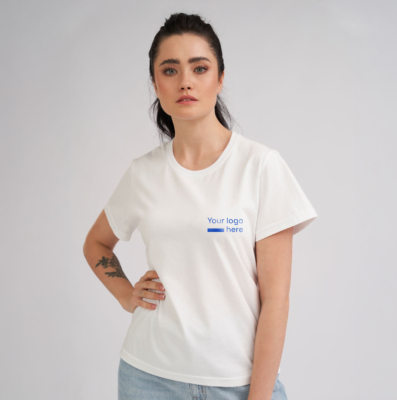
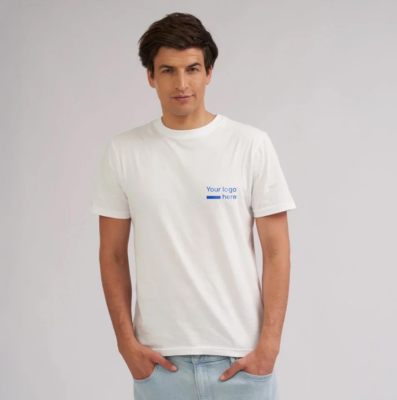
T-shirt is the most versatile piece of merchandise: it works well for events, trips, onboarding and for packages. In practice, one fixed cut and 1-2 fixed colors work best, so you don’t have to create a new version every quarter. - Sweatshirt
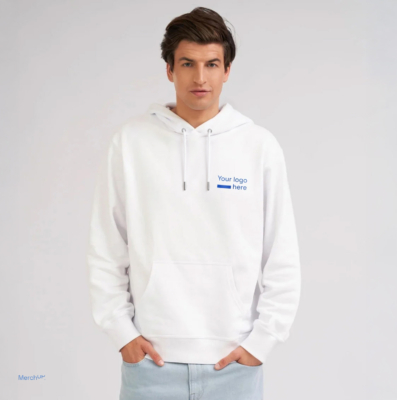
A sweatshirt usually builds the most “belonging” because it is simply worn every day. It’s a good idea to keep one tried-and-true model in stock (such as a classic, kangaroo or oversize, depending on the company’s standard) and not change it every now and then. - Cotton / event bag
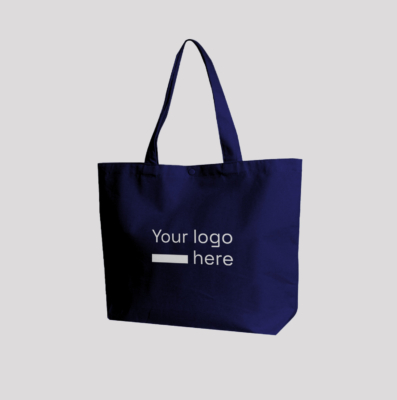
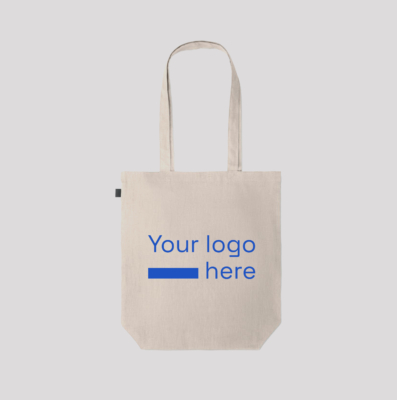
The bag is practical and always comes in handy, both when packing kits and at events. This is one of those products that are easy to distribute and that naturally “work” in the field. - Bottle / bidon
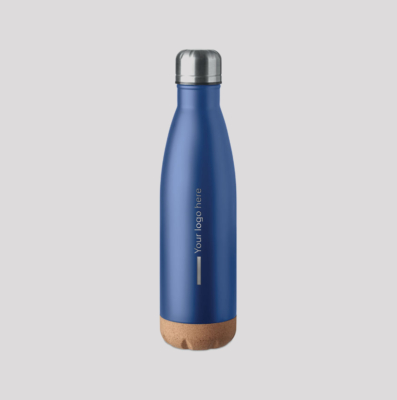
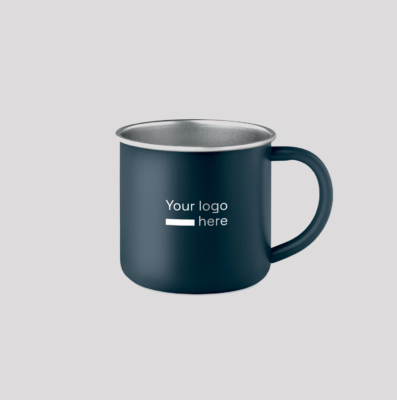
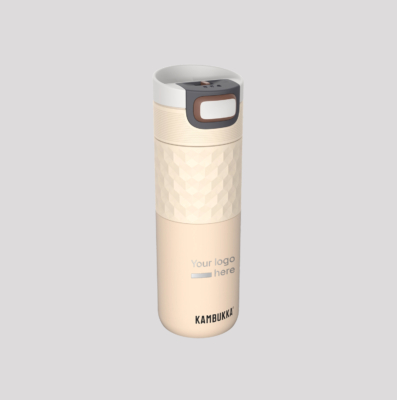
This is a product that people use in real life: at work, at the gym and on the go. A well-chosen model stays with the recipient for a long time, so it makes sense in both onboarding and partner packages. - Thermal mug or “circular mug”
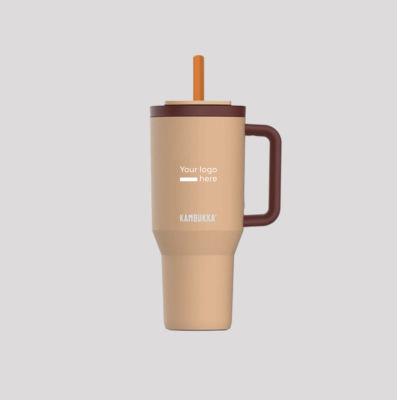
If your business involves commuting, travel and conferences, a thermal mug works almost always. It’s a safe choice: practical, easy to incorporate into kits and well received by most people. - Notes (personalized)
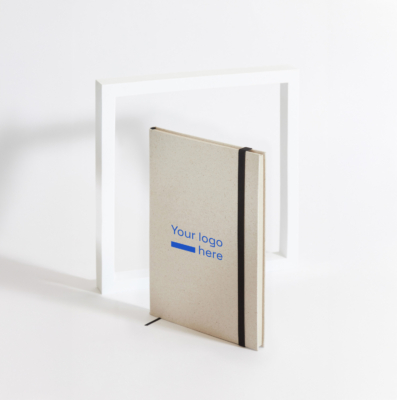
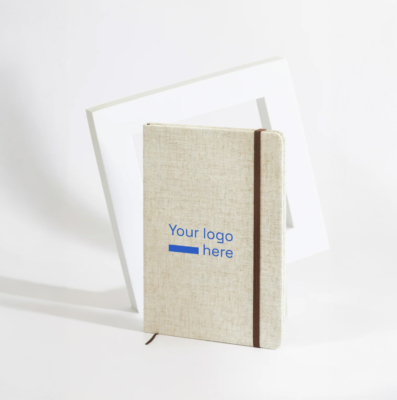
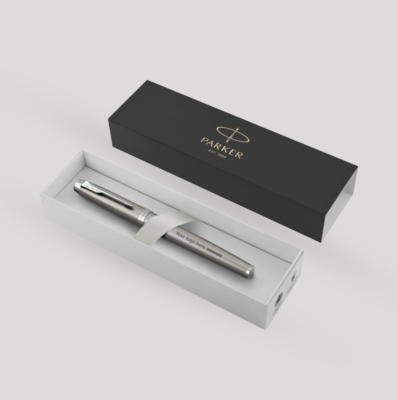
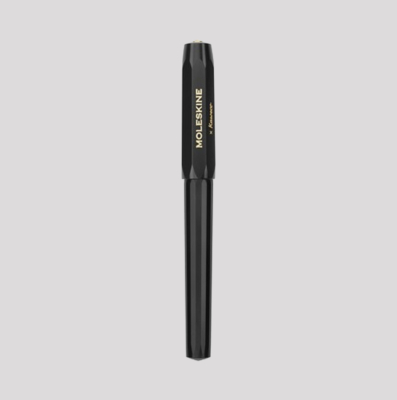
Notes is that “invisible classic”. It works, as long as it is decently made. With good quality paper and cover it rotates naturally: meetings, training, workshops, onboarding. - Pen
When it comes to pens, it’s worth thinking on two levels:
the basic variant for everyday, mass use,
the premium variant (here I’ll add parker) for more important packages, anniversaries and partner relations. - Lunchbox
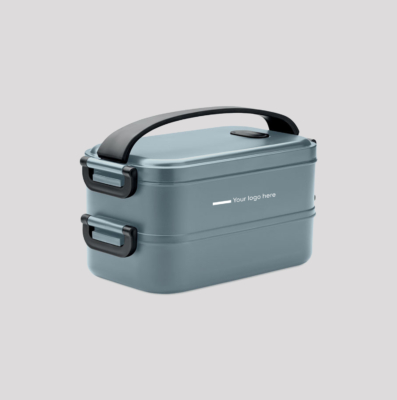
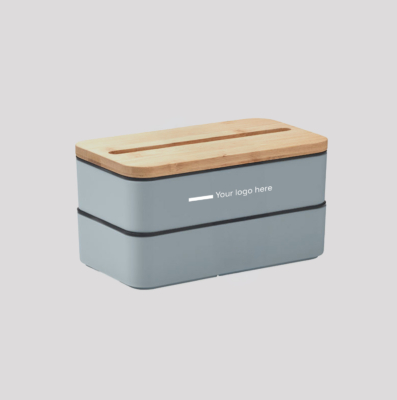
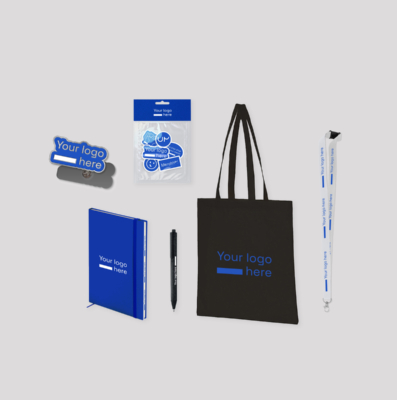
Lunchbox can be surprisingly “reliable”. Many people take it to the office, on a trip or for lunch during the day. It’s also a good part of an onboarding kit: practical and easy to use. - Event kit: lanyard + pin + stickers
This is an “emergency kit” for everything related to events: badges, keys, quick giveaway and visible brand detail. Small items, but they make organization very easy. - Packaging and package inserts: boxes, filling, card, labels
Mostly overlooked, but crucial in a large company. Consistent packaging and a simple insert (e.g., a greeting card, sticker, brief message) make packages look like part of a system, rather than a last-minute activity.

How do you implement this on a large scale?
Establish a standard and stock spreads (min-max)
For each item, set a minimum at which you trigger the housebuilding. This eliminates situations like “ran out yesterday” and allows you to plan production more calmly.
Limit the number of variants
Most often 1-2 colors, one typeface and one marking location are enough. The fewer variants, the simpler the logistics and quicker the homes.Provide easy access to merch
If a company has multiple teams and locations, a dedicated merch store is a practical solution, with inventory and order control in one place.