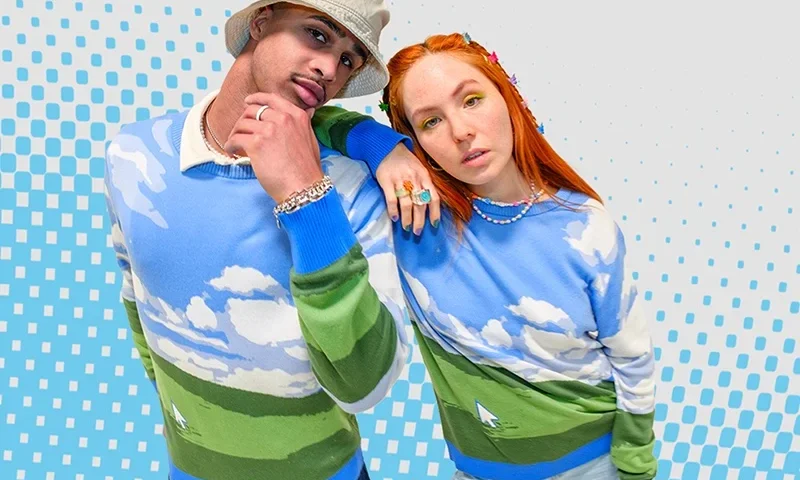
In 2025, corporate merch looked less and less like “something to give away.” In the best implementations, it was not only a premium product, but at the same time became a tool for building community and brand culture without pushy advertising. The winning items were those that people really want to wear and use: comfortable, quality, well-designed and proven in everyday use. This is particularly evident in designs that focus on utility and quality, as well as limited collections, drops and short runs. Merch is increasingly becoming part of the brand experience and communication, rather than “something we throw in at the end of the budget.”
Below you will find inspiring examples from various industries. Check out how to use corporate merch in your organization and see a checklist to help you put your ideas into action.
What does the best merch 2025 have in common?
Merch that looks good on a daily basis
The logo does not dominate, so the products also look good outside the office and there is no impression that a person is an advertising banner.
Consistent line, instead of a random mix
Instead of throwing 50 different gadgets in the cart because they might come in handy, the best brands make short, thoughtful series: capsules, drops and seasonal editions.
Emotions and sense of belonging (community building)
Merch works when it also becomes a symbol of belonging. People want to identify with the brand, not just throw another pen in the bag.
Quality + practical use
Bags, cups, clothes, accessories are things we use every day. If they are comfortable, functional and quality, your team will use them for months (and sometimes years).
A permanent system, not a one-time situation
The best treat company merch as a separate process operating within the organization. The whole thing is planned well in advance, inventory is monitored on a regular basis and the logistics process is simple and fast. Zero clutter.
The 12 most inspiring examples of corporate merchandise 2025
1. Google Merch Shop: collectible drops
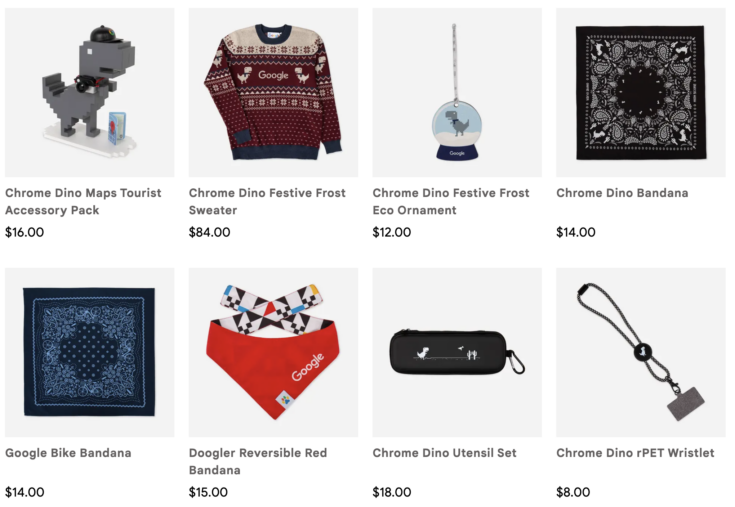
Google sells merch in the form of short runs. These are limited collections for collectors. You can definitely say that these are products with character. There’s a lot of casualness and humor there, so it’s not typical “corpo wear.”
Why it works*: when wearing/using such merch, you don’t feel you’re wearing an advertisement. It’s more of a symbol of belonging to a community.
Conclusion: if you have strong brand elements (icons, slogans, brand hero), do small collections and short series, this is a better solution instead of a catalog of 200 random items.
2. Microsoft: seasonal hit-Christmas sweaters
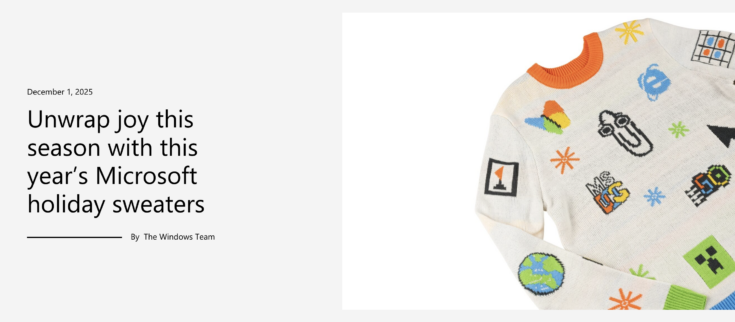
Microsoft brilliantly shows how to rock merch with one strong seasonal product. Their Christmas sweaters have already become absolutely iconic. Not because they have a logo, but because they have humor and evoke emotion….
Conclusion: one polished product per season can do more than thirty random gadgets.
3. Netflix.shop: merch as a continuation of the story, real storytelling in use
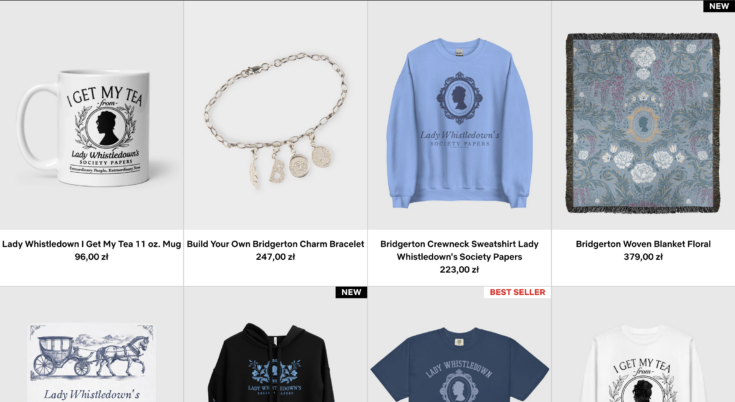
Netflix treats merch as part of the world of its amazing productions. Collections are intertwined with premieres, series, campaigns. The store doesn’t look like a “shelf of extras,” it looks like a continuation of the experience….
Conclusion: merch has more power when context (launch, campaign, event) comes to it. If it is not part of the story, it becomes an ordinary product with a logo.
4. Duolingo Store: Character, excitement and the “must have” effect
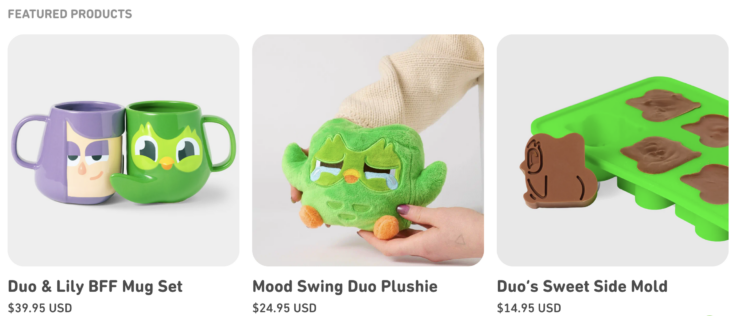
Duolingo focuses on building recognition for its brand hero. It makes products that are easy to love and show off: teddy bears, pins, trinkets. People buy it because it’s likable and builds a bond, not because they need another item.
Conclusion: if you have an expressive icon/avatar you can definitely build a whole world of merchandise around that, without doing “heavy branding.”
5. GitHub Shop: Things for the community, not for HR
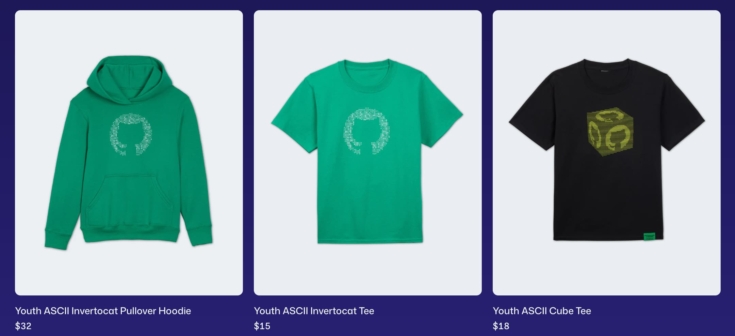
GitHub does merch that is minimalist – this applies to both clothing and accessories. Lots of simple forms, consistent style, no exaggeration and big logos. Everything is tailored for a specific community, and it shows.
Conclusion: if you’re targeting the community, the aesthetics must have something of an “out of office friendly” feel.
6. Shopify Supply: The store as another point of contact with the brand
Shopify builds a store for its community and treats it as another channel for brand communication. Everything is consistent, polished and modern. It’s also proof that they understand e-commerce.
Conclusion: if you sell B2B solutions, merch and the way it is executed can be a showcase for quality.
7. Mailchimp: merch as an appreciation system
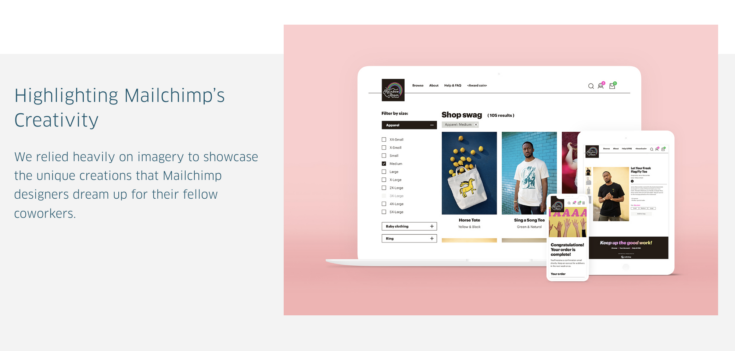
At Mailchimp, merch is part of the organization’s culture. Awards, recognition, symbolic moments, internal programs. This makes it not just another company gadget, but something that really matters.
Conclusion: merch that is embedded in the system works best, such as onboarding, anniversaries, achievements, promotions.
8. Palantir: merch as identity
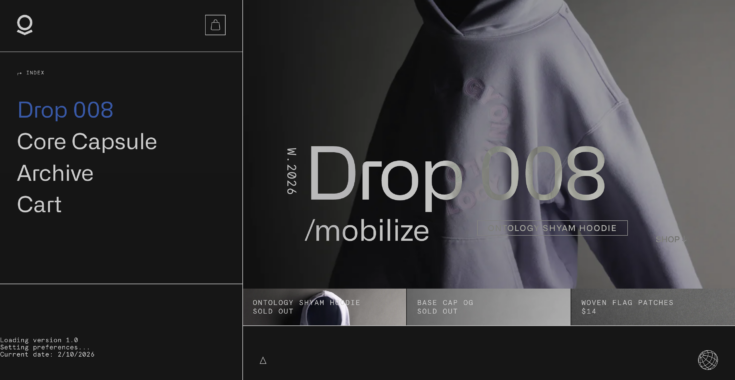
Palantir builds merch around identity: short runs, but a strong message, topped off with a distinct vibe. It’s a case that can stir emotions, but the mechanics are very clear – merch is supposed to be something people identify with.
Conclusion: if a brand has a strong mission and values, merch can show them in practice, but only if everything is consistent and coherent.
9. Binance: streetwear instead of advertising
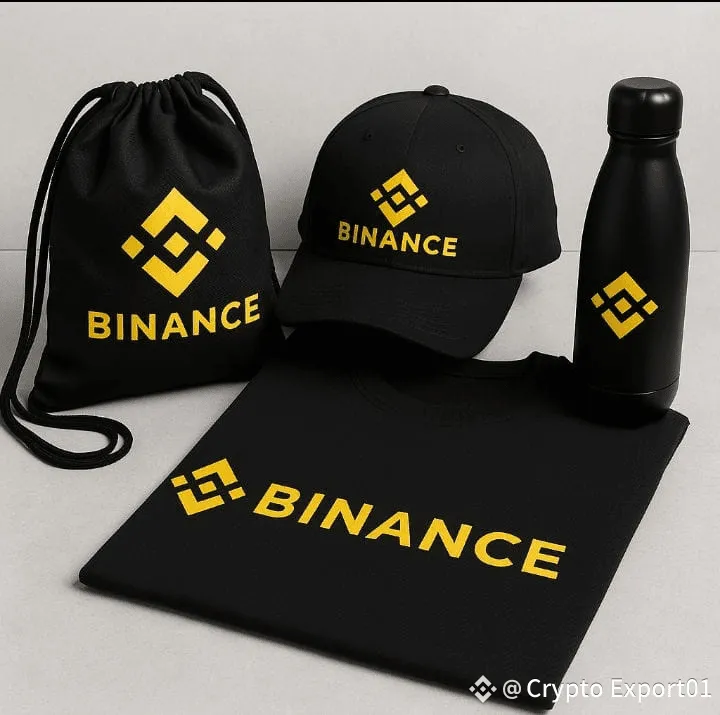
Binance often appears in juxtapositions, because instead of the typical commercial sweatshirt, it goes for things that look neutral and can be happily worn every day. The branding tends to be more subtle, and the whole thing goes closer to streetwear than corporate.
Conclusion: it is better to make a universal sweatshirt with flair than with a big logo in the middle. Such merch is rarely worn outside an event or office.
10. Slack: A classic done decently
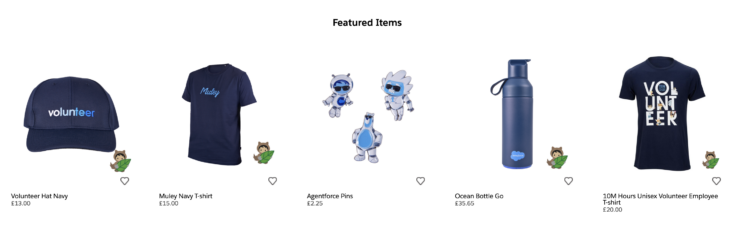
Slack relies on classic products, but they have to make sense: simple, useful and for everyday use. Nothing revealing, but everything is of a high standard. The design and quality definitely get the job done.
Conclusion: classics work if they are well designed and not “cheap.”
11. Noogler Welcome Kit (Google).: onboarding as a ritual
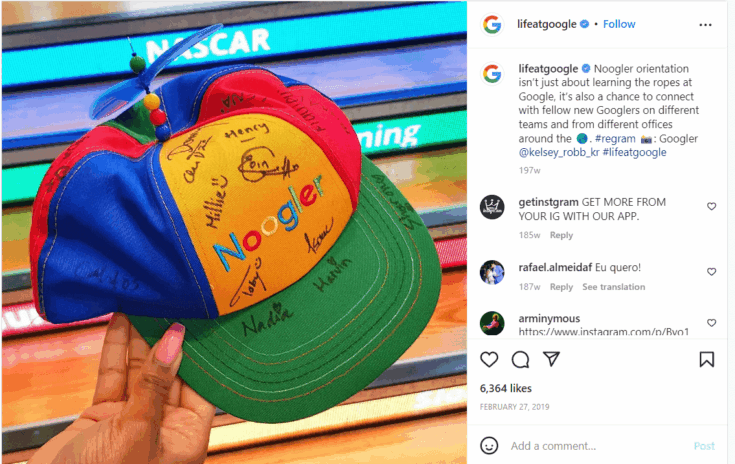
A welcome pack at Google is part of the ritual of entering the company. It’s something that builds excitement, a memory and a sense of “wow, I’m part of this world.”
Conclusion: the welcome pack is the first physical contact with the brand. It is worth treating it as an experience.
12. L’Oréal: ecology and self-care as a cultural message

Here the choice of products is consistent with what the brand declares: taking care of ourselves, the environment and more conscious choices. Merch says “who we are” without grand manifestos.
Conclusion: corporate merch brings values to the real world and works much better in practice than a presentation with slides about the organization’s culture.
Below you have the same thing, only more “humanly”, without the corpo-sound and without that checklist new tone from the generator. It’s still clear and practical.
So… how do you implement corporate merch with your head?
Before you order the first thing, think about why you are doing it, what you want to convey and what you want to gain. Otherwise, you’ll end up burning through your budget on random products that linger in boxes.
Answer 3 questions:
1. why do we do merch? Find what main, important purpose for the company
What is it supposed to support?
- onboarding
- events
- employer branding
- community building
- gifts for VIPs or key customers
2. what is its role?
What do you want to achieve?
- appreciation and keeping people for longer
- Building brand pride from the inside out
- Uniform appearance of the team at events
- creating an “I want it” effect among the community
3. how should it look in practice?
If your company operates on a larger scale, you have a turnover of people, or you go back to merch every now and then, without good organization, you can expect confusion. Then you’ll need clear rules: what we order, how often, and how we ship it.
What is worth implementing in 2026?
When planning the implementation of corporate merch, it is a good idea to start by choosing one main objective to avoid the chaos that comes from trying to organize onboarding, events and VIP gifts simultaneously.
The key to success is to abandon excess in favor of quality – instead of an endless catalog of products, it is better to bet on a base of 5-10 essentials, supplemented by short limited series. When choosing specific products, be guided by their usefulness, so that they are actually worn/used by the team. The whole should form a cohesive collection with a unified palette and thought leadership, rather than being a collection of random gadgets. This process requires sorting out technical issues:
- Once a well-prepared table of sizes and cuts,
- choosing a system that makes it easier to place orders and possible complaints,
- decide whether you need parcel logistics support.
Why online store, warehouse and shipping make a difference
In companies where more than 200 people work, packing, storing and shipping to different locations becomes a problem. That’s why more and more large companies are opting for Gifting as a Service, which consists of:
- Create an online merchandise store that allows you to place orders in one place as – no Excel, manual lists or emails.
- warehousing, so you have control over your assortment, and packages don’t take up your office space,
- take over logistics and shipments, which are carried out on an ongoing basis without your participation, including to those working remotely
- simple repeat orders for more actions, events without reinventing everything.
Bottom line: corporate merch as a strategy, not a gadget
The best implementations of the past year have shown that effective merch is much more than a product – it’s thoughtful experience building and a reliable system. To make your brand stand out in 2026, think of corporate merchandise as a full-fledged collection that combines utility with a strong, consistent visual identity. Instead of quantity, focus on quality and processes that allow you to scale these efforts effortlessly within your organization.
Ready for a new quality of your corporate merchandise?
Let’s work together to create a collection that your team will wear with pride. From an “essentials” strategy to full order automation, we’ll take care of everything.